Let’s get ready to rumble!
These kids have a different tolerance for pain.
My first week working in Youth Development began at a summer camp for kids ages 14 to 24. Yes, that’s quite an age range, but somehow it seemed to work.
There were about 60 campers, divided into four teams—something like color wars. They played field games to earn points and, seemingly, to inflict as much pain on one another as possible. I didn’t recognize most of the games, but even the familiar ones, like a simple game of tag, came with a twist that invited injury. Nearly every event seemed to leave someone on the ground.
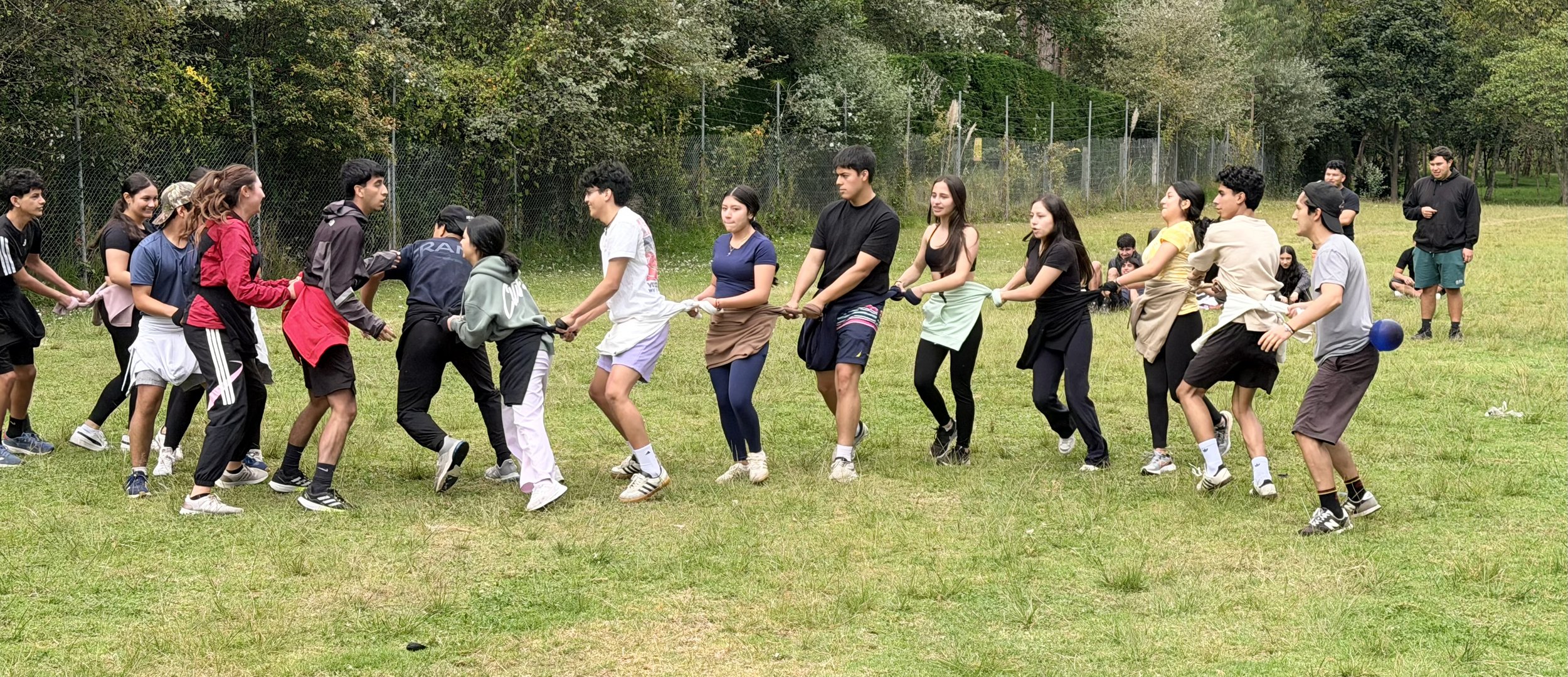
Two human “snakes” competed, with each team’s head trying to grab the balloons attached to the other team’s tail.
Then came the highlight of day two. Just when I thought things couldn’t get any more intense: boxing. Actual boxing—with a ring, headgear, gloves, and taped hands. Let me remind you: this was a municipally sponsored summer camp. Things are different here.
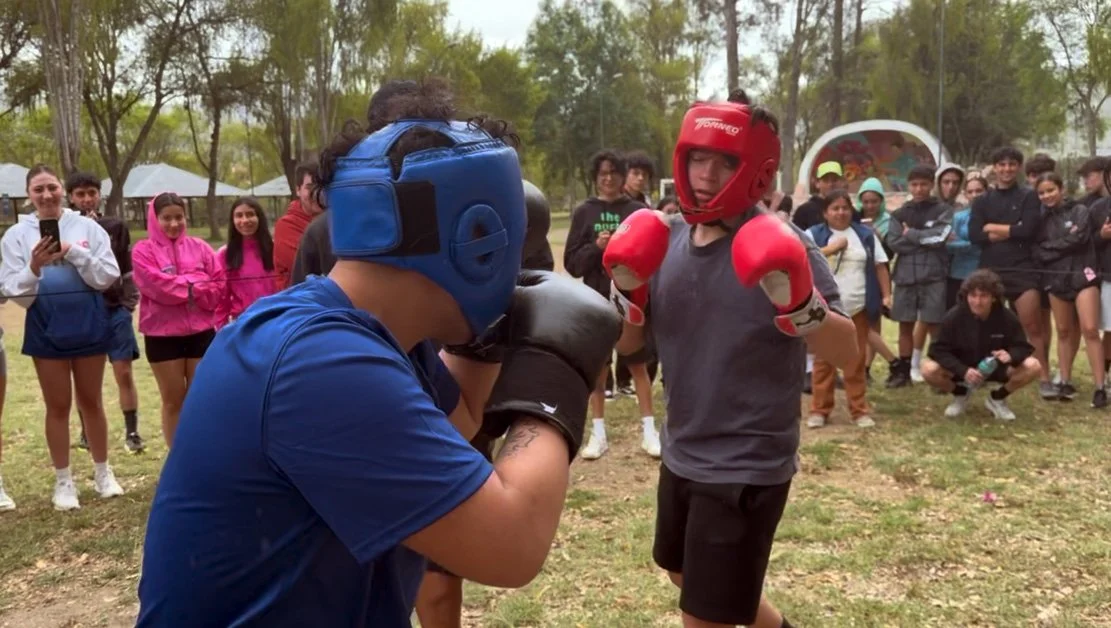
This was not gentle. There were four bouts—two featuring boys and two featuring girls.
My responsibilities were mostly limited to carrying supplies and serving lunch. It wasn’t much, but I joined the camp more than halfway through, and my Spanish is still developing, so my expectations were appropriately modest. Even so, it was fascinating to witness some of the cultural differences between life here and back home.
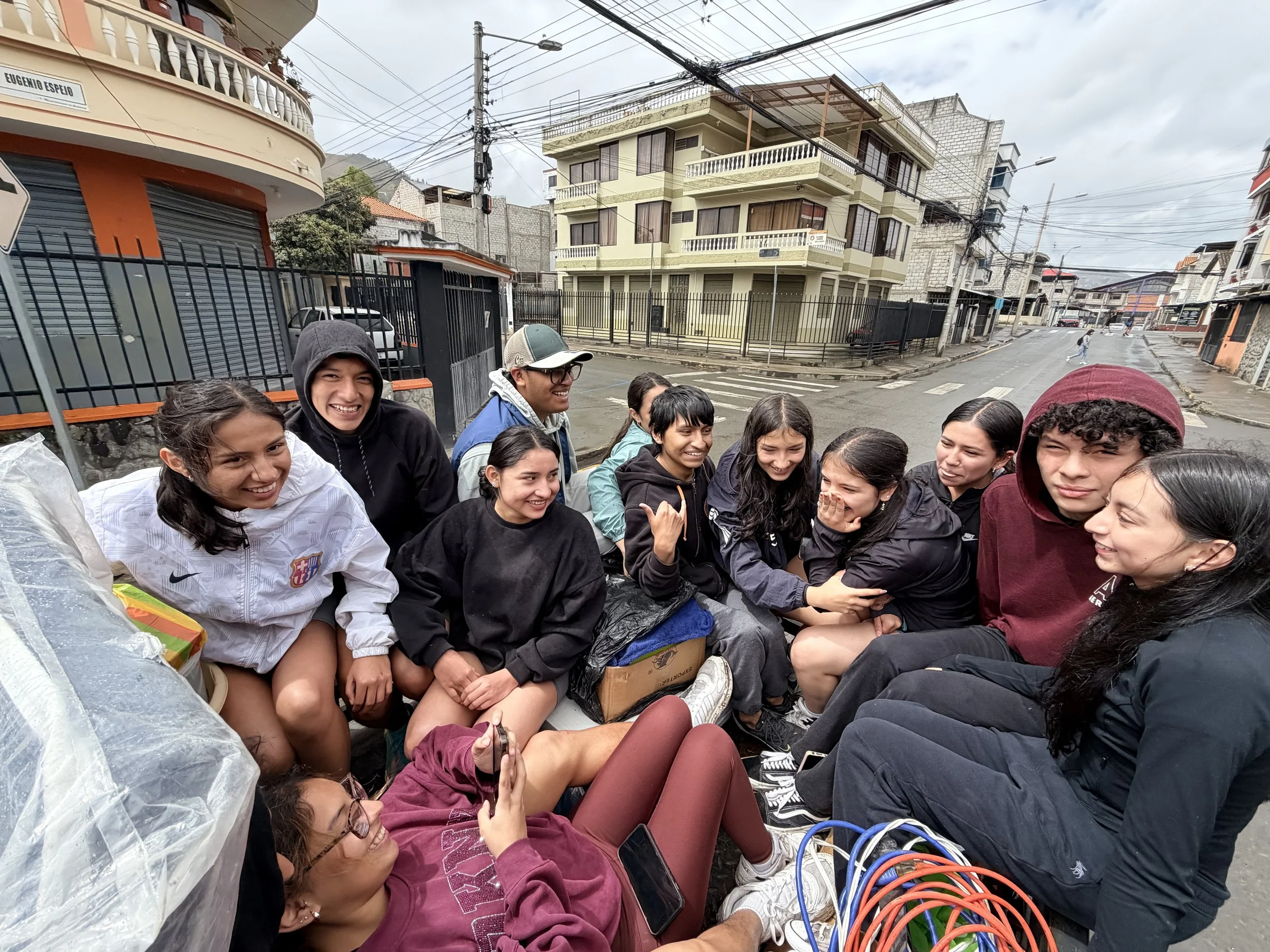
Due to some unexpected rain, we piled into the back of a tiny pickup truck and fled to a sheltered location where the sun instantly began to shine.
And some other random happenings…
If you’ve ever been to a market in Latin America, this scene will be familiar: a beautiful array of colors, smells, people, and noise. They can be overwhelming for the American shopper. The market in Chordeleg is quite small, but it offers the perfect variety of fresh fruits and vegetables. Can you find Jenny above?
It’s interesting that so many vegetables are available, yet the Ecuadorian diet is largely centered on rice, potatoes, and meat. One of Jenny’s hopes is to offer workshops for mothers on ways to incorporate more vegetables into their families’ diets. Her work has started out very slow, but she has lots of hope that there are many opportunities for her to help out. She meets the mayor tomorrow and then is attending a breast feeding workshop.
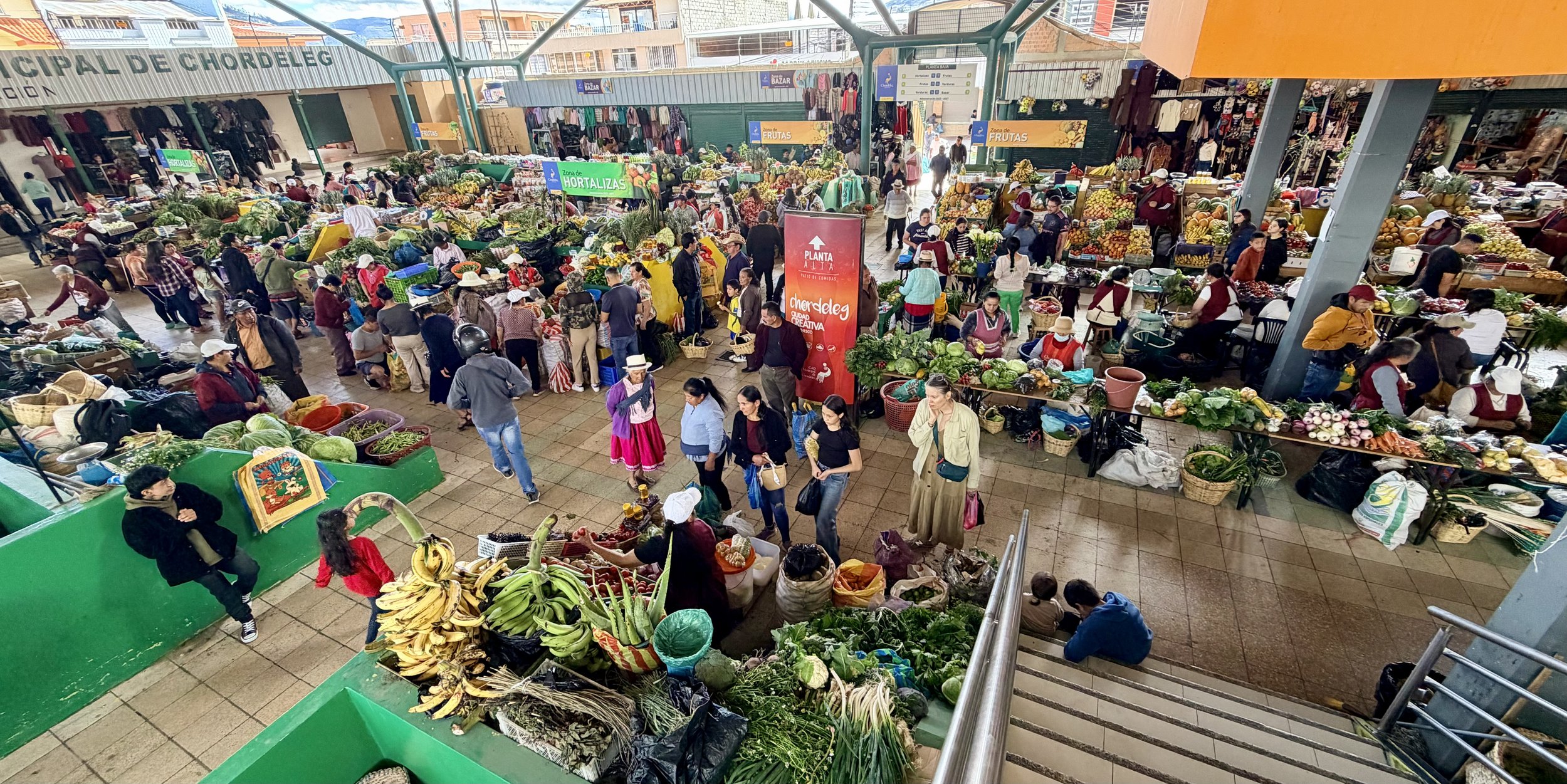
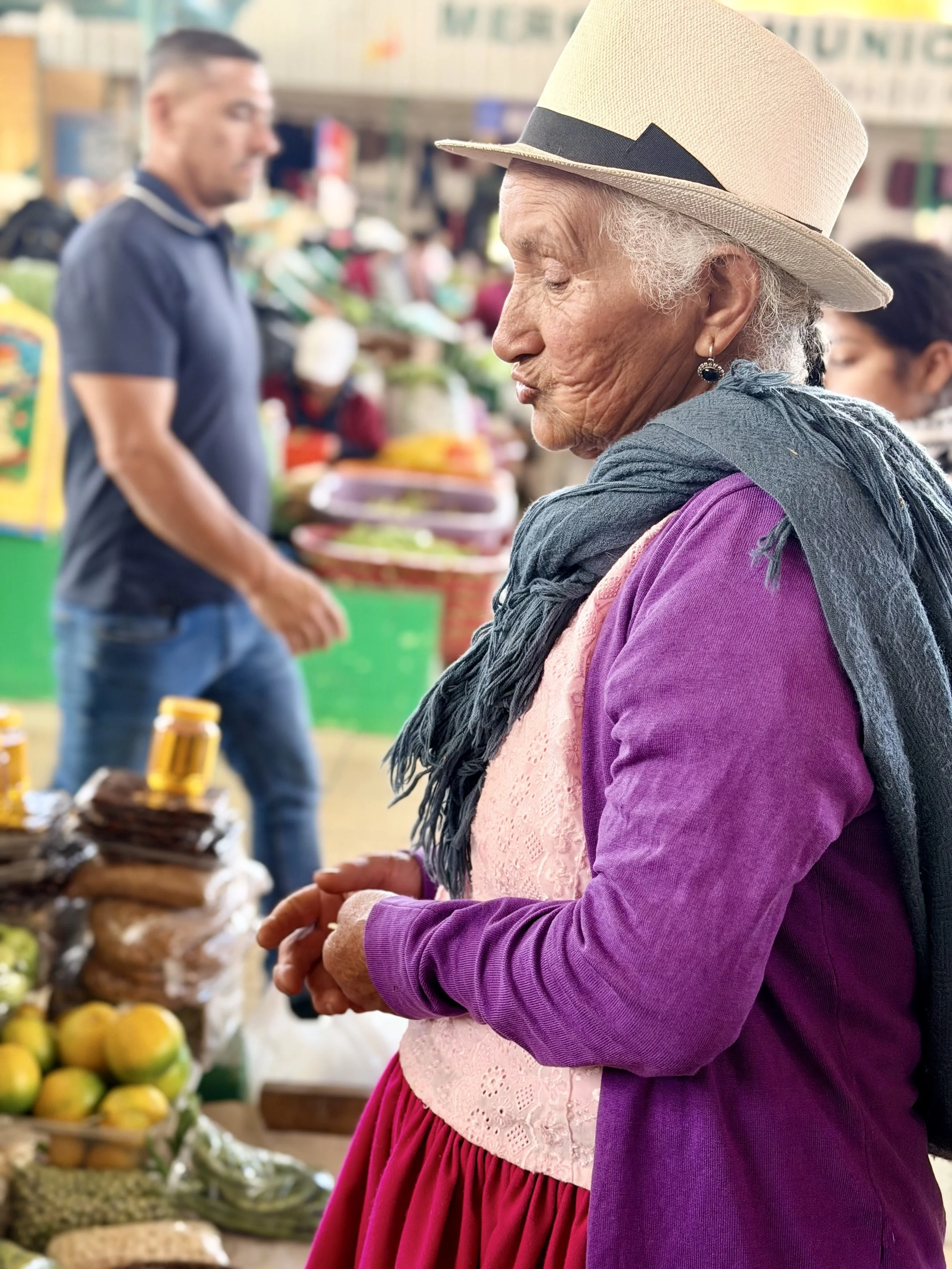
Chordeleg is not an Indigenous community, but the market is at its busiest on Sundays, when many people from the surrounding countryside come into town to buy and sell fresh produce.
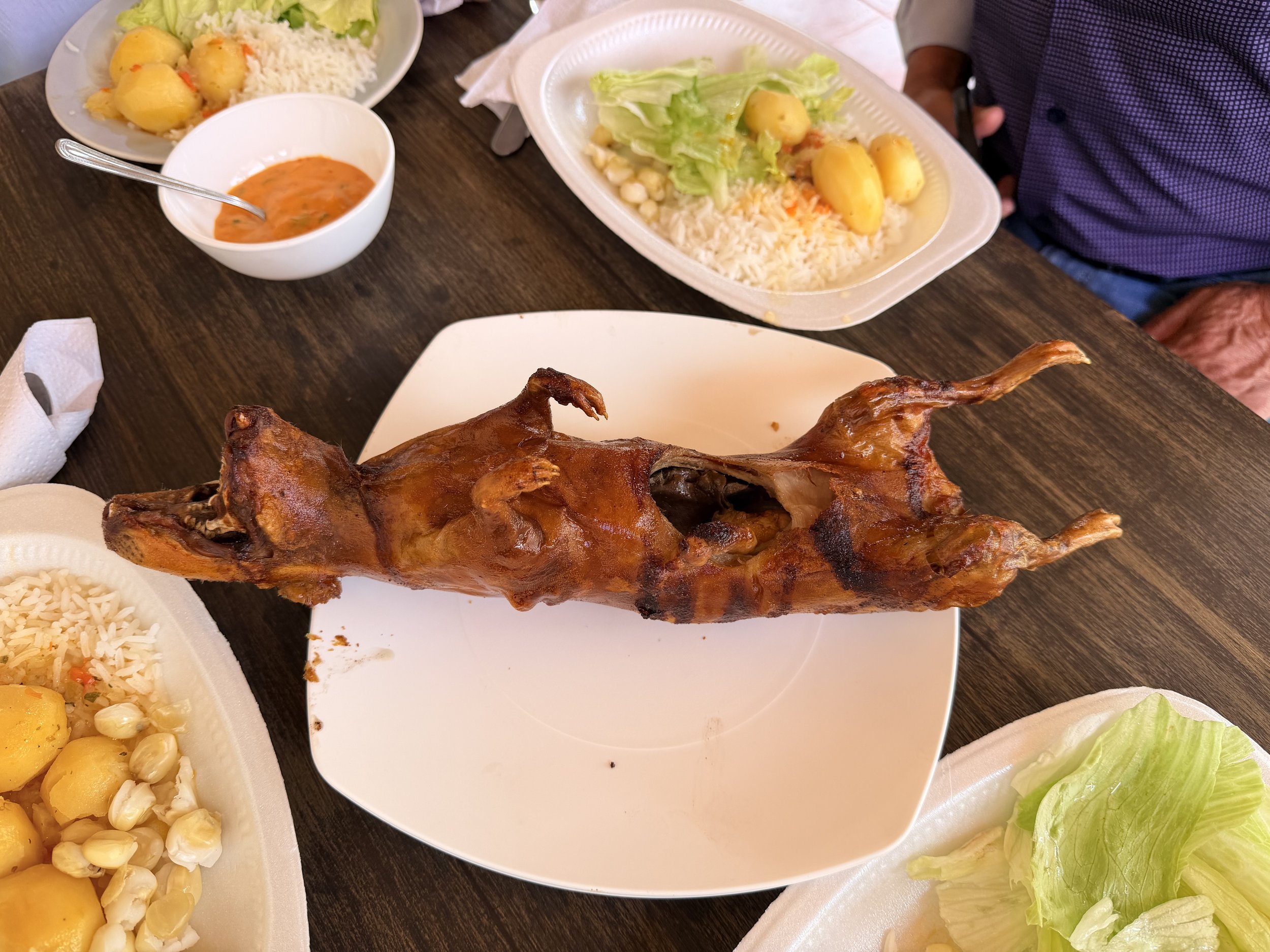
One of Ecuador’s best-known traditional dishes is guinea pig, or cuy, as it’s called here. It tasted a little like the dark meat of a turkey—not bad, not great—but eating it was still difficult for us. Clearly, our cultural biases came into play. I have no qualms about eating a roasted chicken, and I’ve never felt any great affection for guinea pigs as pets, but this was next level. Notice the plates nearby…yes, I see some iceberg lettuce, but also rice, potato and corn all together.
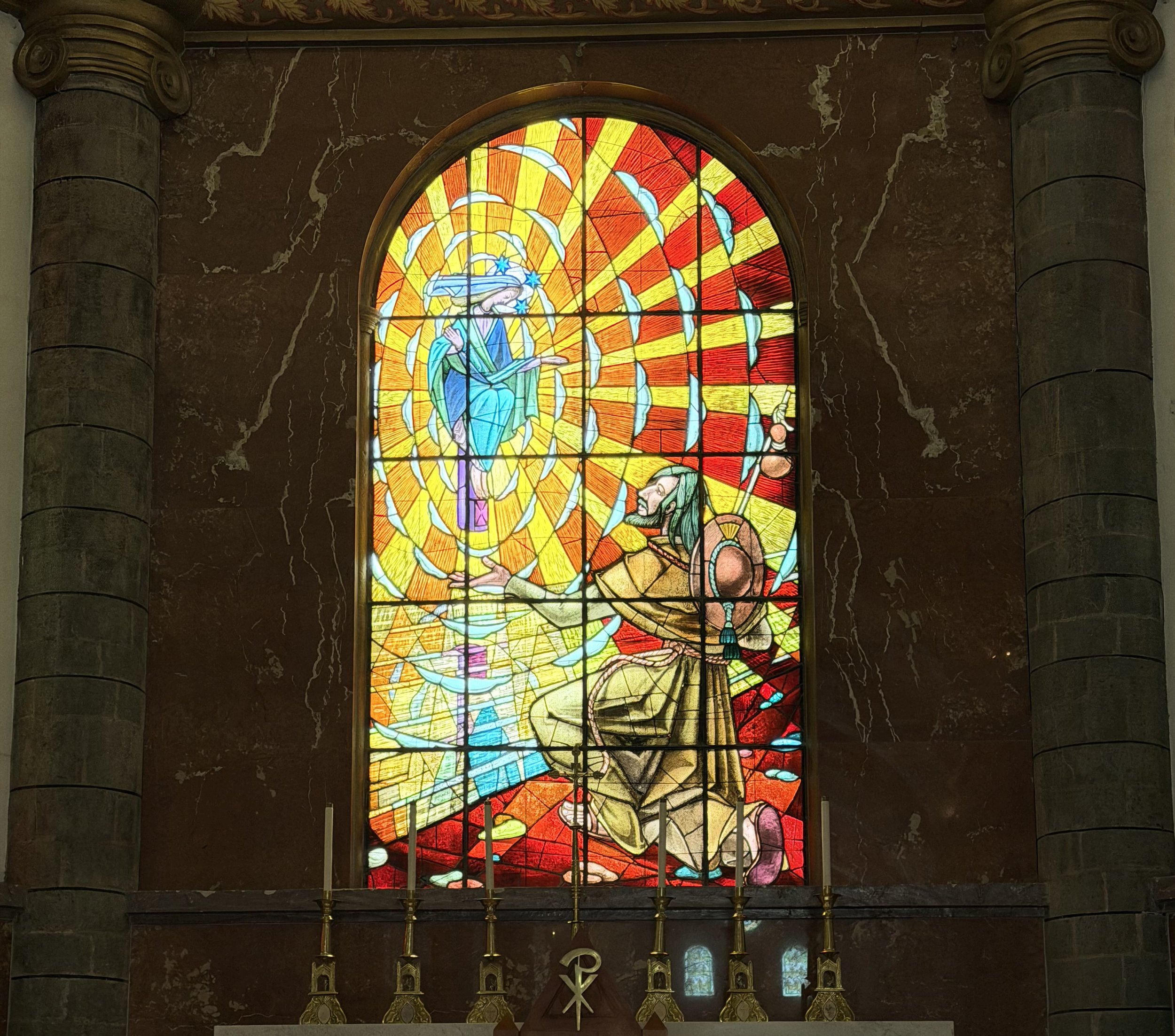
This is a beautiful stained glass in the Catholic Church in the town Gualaceo, where I work. It was created in 1961 and depicts Santiago el Mayor, patron saint of Gualaceo, while he was evangelizing in Spain. That’s Mother Mary up there on the pedestal. The church dates back to the year 1540, but it was rebuilt in 1850 and again in 1950.
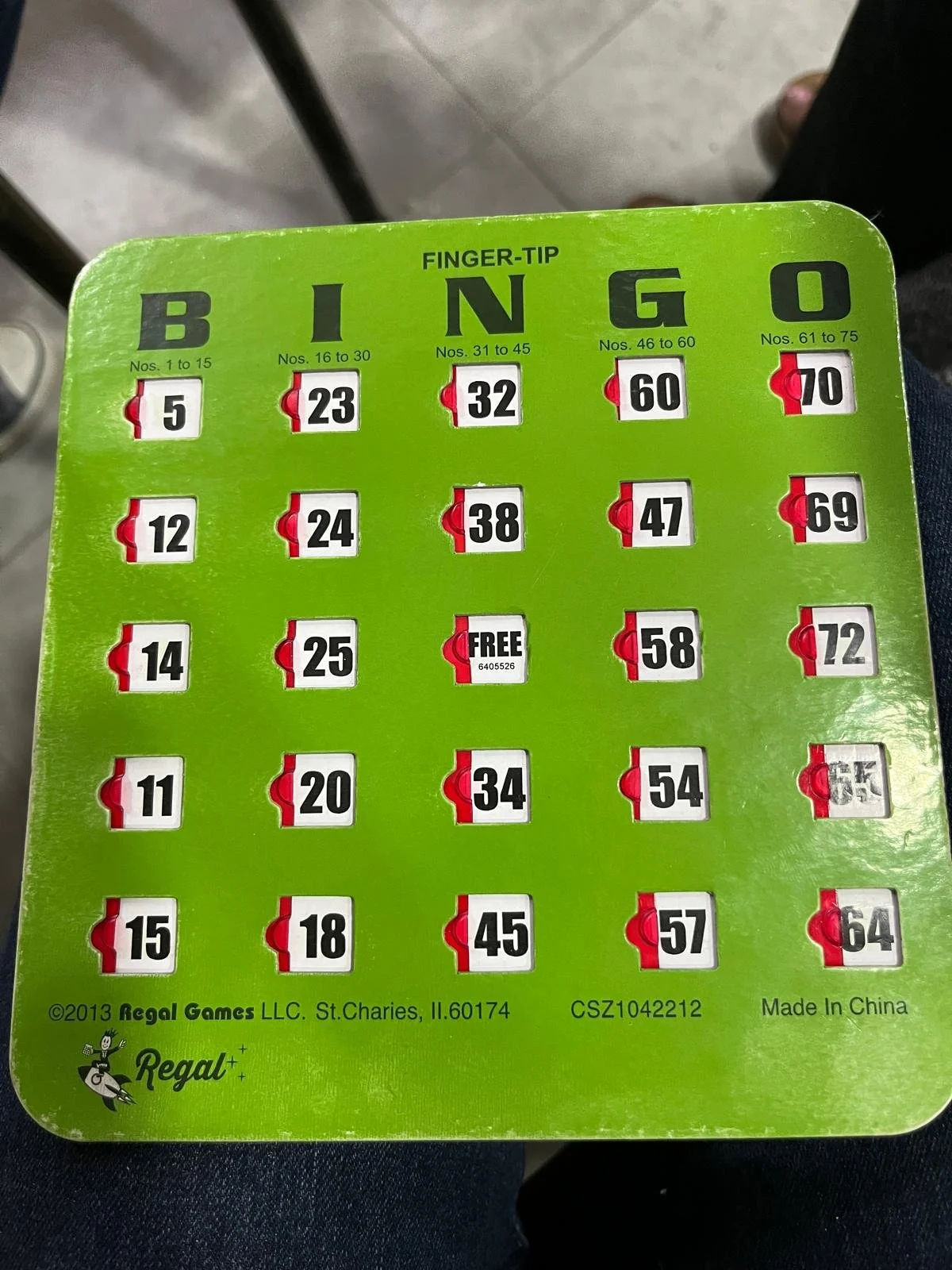
We’ve been to two bingo nights where each round wins a prize, mostly rice, but the most coveted prizes were three roasted cuy and two roasted pig heads. The most amazing part of the evening was the inscription at the bottom of the bingo card…St. Charles, IL! What?!? We are truly part of a global economy. Our grand prize of the evening was a cozy blanket we’ve been using during the cold evenings on our rooftop terrace.
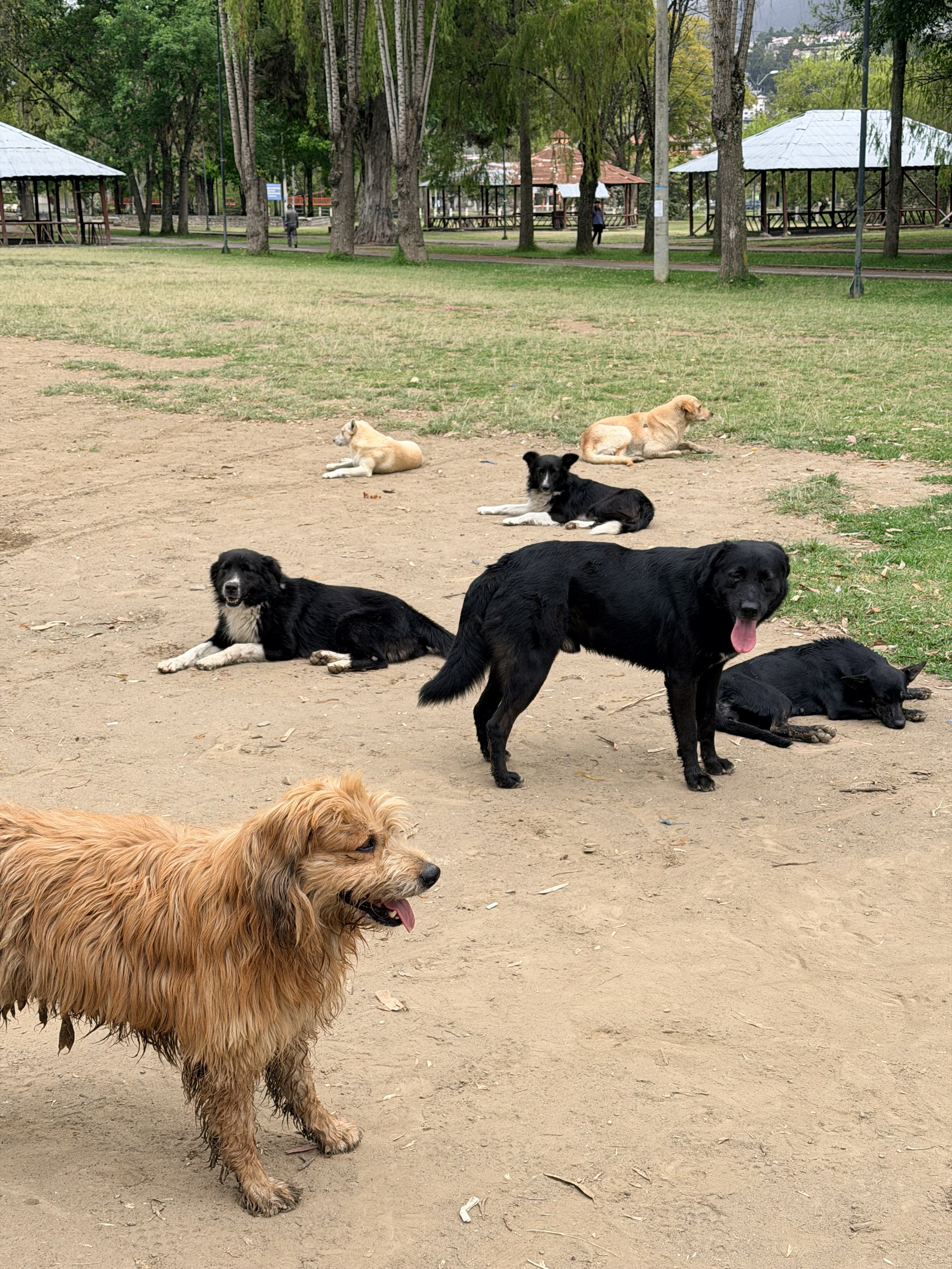
And finally — more dogs! I stumbled on an impressive pack of seven lounging at the summer camp, as if they’d signed up for their own session. This wasn’t a dog park and there wasn’t a single owner in sight—just a chill community of dogs enjoying each other’s company.